
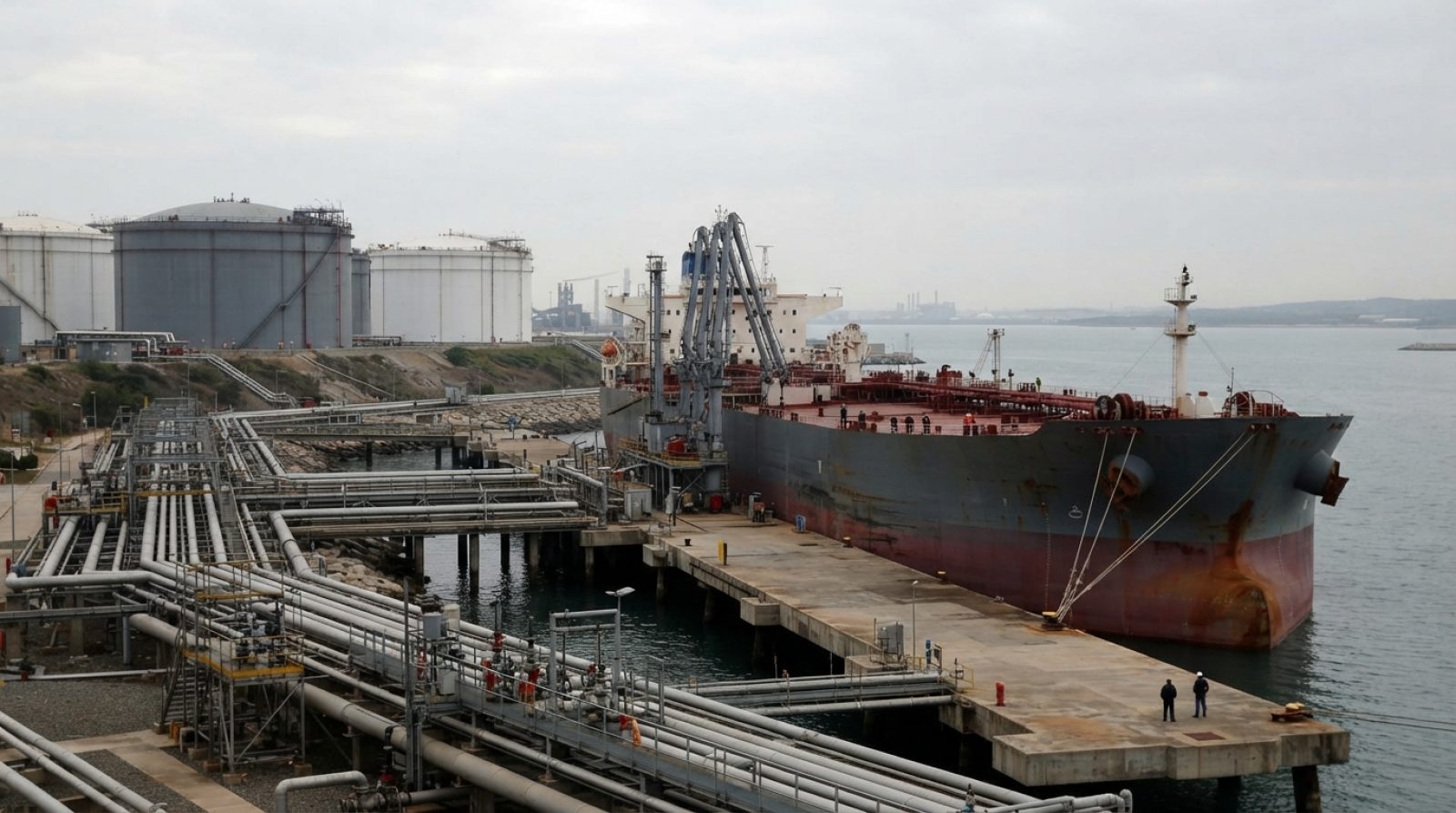
The United States' pursuit of an "energy dominance" strategy is confronting shifting market dynamics and rising geopolitical competition, according to Distilled Post. US Deputy Energy Secretary James Danly recently outlined administration policy focused on boosting oil and gas exports and leveraging American production to reinforce global market standing. Eurasia Group analyst Henning Gloystein identified three primary goals of the US strategy: capturing market share, embedding domestic hydrocarbons into global supply chains, and strengthening allies while weakening adversaries.
While earlier US interventions involving Venezuela and Iran initially expanded American market leverage, they also escalated market volatility and caused importing nations to reassess geopolitical risks. According to the report, these dynamics have constrained the ability of OPEC to exercise the degree of pricing influence it historically commanded over global crude markets.
At the same time, China holds major leverage of its own as the world's largest crude importer, with domestic procurement decisions directly swaying international pricing. The US Energy Information Administration estimated China's crude inventories at approximately 1.4 billion barrels in 2026, providing a significant cushion against potential supply interruptions.
The broader competition between the two powers increasingly centers on developing economies in Southeast Asia, Africa, and South America. While Washington seeks energy partnerships through oil, gas, and nuclear power exports, China has secured a dominant position in affordable clean-energy technologies and supply chains.
Sources
- distilledpost.com · 2026-09-25