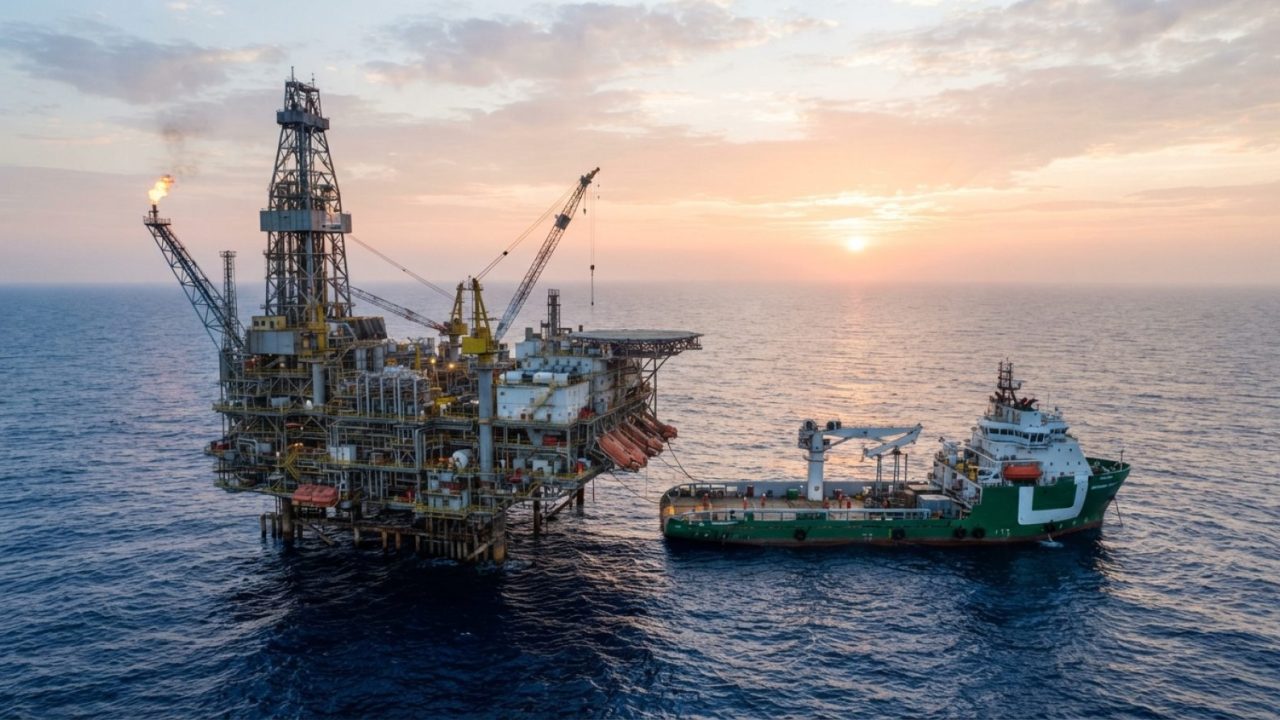
According to Clarksons Research, offshore oil and gas projects valued at $131.6 billion have reached final investment decision (FID) so far in 2026, surpassing the $120 billion sanctioned throughout 2025. The shipping and offshore consultancy upgraded its forecast, now projecting offshore investment commitments to reach $139 billion by the end of 2026, a 16% year-on-year increase. Looking further ahead, Clarksons forecasts another $137 billion in offshore project sanctions in 2027.
Clarksons stated that the investment momentum reflects a multiyear upcycle that began in 2021, rather than a direct reaction to Middle East turmoil, marking the industry's sixth consecutive year of expansion. Because large offshore projects spend multiple years in front-end engineering and design, many sanctioned developments were already progressing before the Strait of Hormuz crisis. Stronger cash flows supported by higher oil prices—with Brent crude averaging around $95 per barrel in 2026, up 37% year on year—have improved capital commitment capacity.
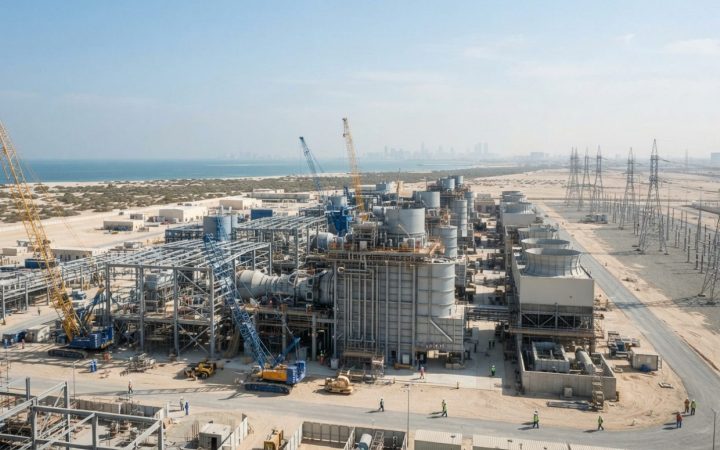
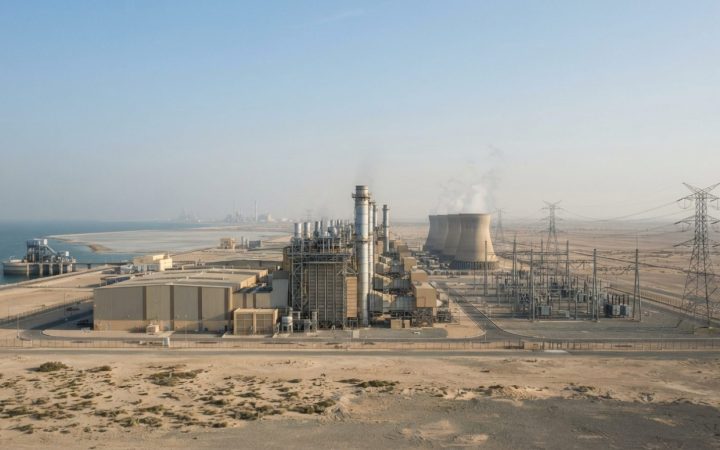
Offshore spending remains particularly strong across the Middle East. State energy companies in the UAE, Saudi Arabia, and Qatar have continued to develop major offshore fields, including Upper and Lower Zakum in the UAE, Marjan, Safaniya, and Zuluf in Saudi Arabia, and the North Field in Qatar. Clarksons noted that competitive dynamics following the UAE's exit from OPEC, along with energy security imperatives for major importers such as India, have contributed to capacity expansion plans.
Outside the Middle East, South America remains a significant driver of the offshore cycle, supported by floating production, storage, and offloading (FPSO) projects in Brazil and Guyana. Clarksons highlighted that the steady pace of project sanctions is expected to support sustained multiyear demand for drilling rigs, subsea contractors, installation vessels, and floating production units as projects transition to execution.
Sources
- Splash247 · 2026-11-23