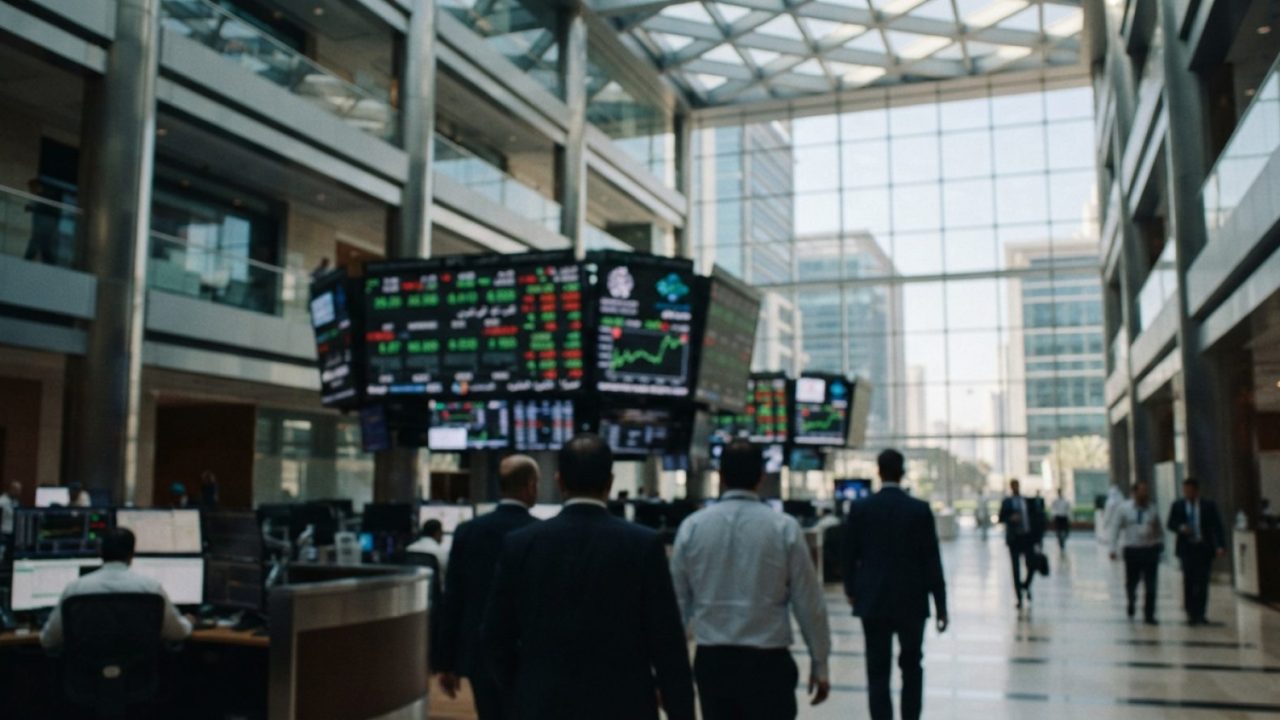
Dubai's stock benchmark has erased all losses sustained since regional conflict escalated in late February, with the Dubai Financial Market (DFM) General Index rising 1.2% to close at 6,563.30 points on Friday, November 27, 2026, Bloomberg reported. The level moves the market above its February 27 close of 6,503.50 points, the final trading session before the conflict started.
The benchmark gained approximately 14% over November, registering its largest single-month increase since April 2020. The recovery has positioned Dubai as the second best-performing equity market in the Gulf region in 2026, behind Oman. The recent rally accelerated following November 4, when the index logged its largest single-day advance since early April amid easing geopolitical tensions.
The market rebound prompted Wall Street investment banks to revise their outlooks on United Arab Emirates equities. JPMorgan Chase upgraded the MSCI UAE Index from neutral to overweight, citing improved corporate earnings estimates, resilient fundamentals, and returning foreign capital inflows. The MSCI UAE Index was valued at 9.4 times estimated earnings, below its 10-year historical average of over 10 times.
Morgan Stanley also raised its rating on the UAE to outperform, reporting that Dubai's economic recovery complements Abu Dhabi's ongoing capital spending cycle. Cantor Fitzgerald analysts noted that regional government backing and sustained public spending helped offset earlier capital outflows during the conflict.
Sources
- https://streamlinefeed.co.ke/ · 2026-11-27