An analysis published by Fakti.bg via Money.bg examines how China is navigating geopolitical shifts in the Middle East. The article cites reporting from The National alleging that China has provided Iran with satellite imagery and dual-use components usable in drone and missile production, while Beijing publicly maintains its stance as a neutral party.
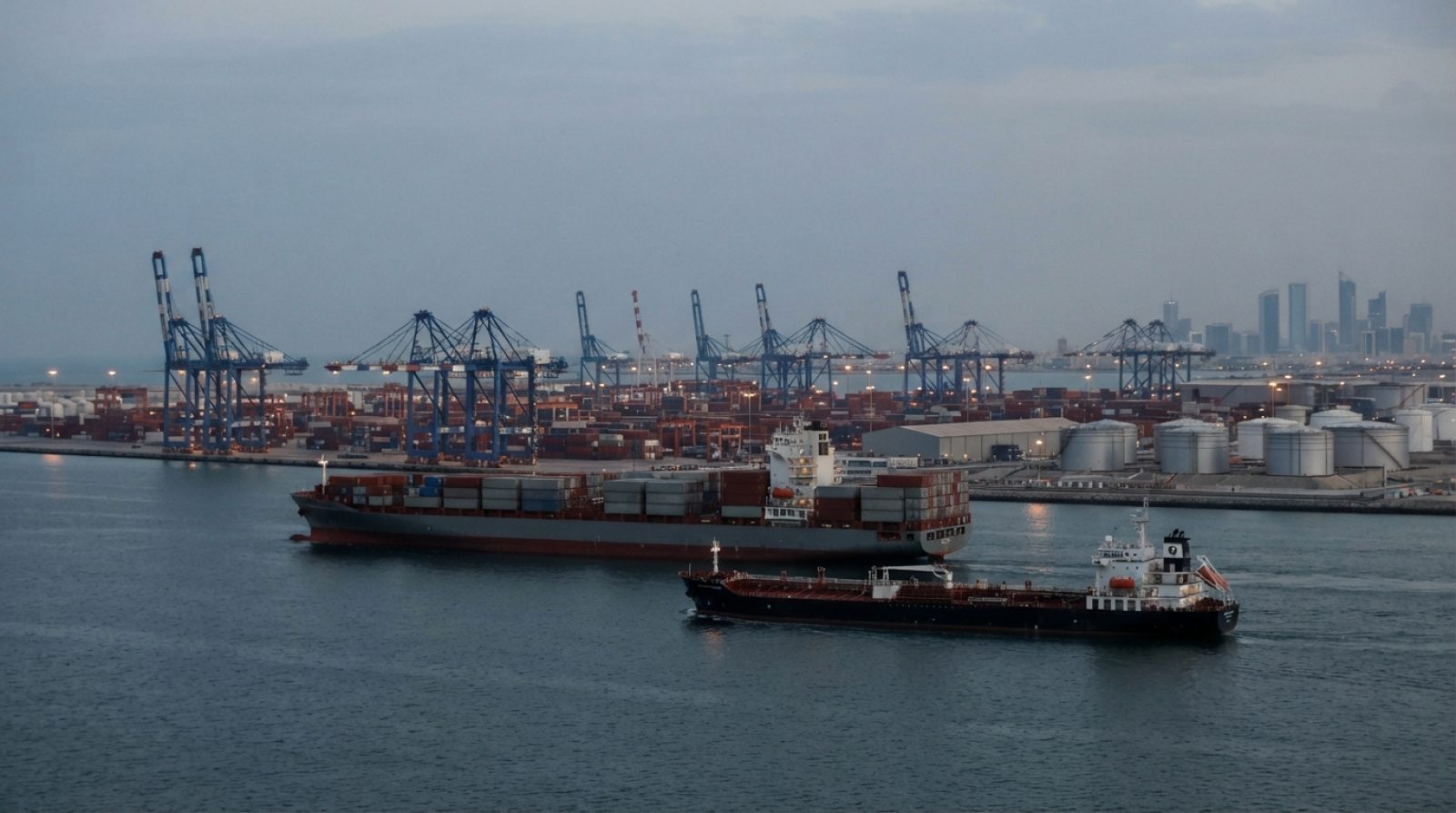
According to the analysis, China seeks to prevent full-scale conflict escalation primarily to protect critical maritime routes, notably the Strait of Hormuz and the Bab al-Mandeb strait. Transport disruptions or severe blockades on energy flows would impact China's major export partners across Asia and Europe, including Japan, South Korea, and ASEAN members.
The article underscores that China places significantly higher strategic and commercial value on Gulf Cooperation Council (GCC) states—such as the UAE, Saudi Arabia, Qatar, Oman, and Iraq—than on Iran. Given the scale of Chinese investments and the presence of Chinese citizens residing in these countries, analysts cited in the piece suggest Beijing aims to limit regional damage to protect its assets.
Regarding energy security, the report states that China has prepared for potential supply disruptions through coal reserves, nuclear power, renewable energy adoption, and stockpiled crude oil. However, it notes that the Chinese economy continues to face structural headwinds, including high oil import dependency, elevated debt, real estate challenges, and overseas tariff barriers.
Sources
- fakti.bg · 2026-10-03
- Google News — UAE China finance & energy · 2026-10-03