Saudi Arabia's merchandise exports increased 14.2% year on year to $30.8 billion (SAR 115.5 billion) in September 2026, driven by a 25.6% surge in oil exports, Forbes Middle East reported, citing data from the General Authority for Statistics (GASTAT). Oil shipments reached approximately $23.2 billion (SAR 87.1 billion), making up 75.4% of total merchandise exports compared with 68.6% in September 2025.
Non-oil exports, including re-exports, declined 10.8% year on year to $7.6 billion (SAR 28.4 billion), while national non-oil exports excluding re-exports dropped 4.6%. Re-exports fell 20.1%, weighed down by a 67.6% plunge in machinery, electrical equipment, and related parts. Meanwhile, total merchandise imports slipped 4.3% to $19.8 billion (SAR 74.1 billion), helping expand the kingdom's trade surplus by 74.5% to $11 billion (SAR 41.4 billion).
South Korea was the kingdom's largest export destination in September, capturing 18.9% of total outbound shipments, followed by India at 14.3% and China at 12.9%. The UAE, Egypt, Japan, Malaysia, the United States, Malta, and Bahrain completed the top ten export markets, which together accounted for 76.2% of total exports.
China remained Saudi Arabia's largest supplier of imports, accounting for 24.9% of the total, followed by the United States at 8.2% and Egypt at 6.2%. The UAE was also ranked among the leading import sources alongside India, Germany, Switzerland, Japan, Italy, and France, with the ten nations making up 65.7% of total merchandise inbound flows.
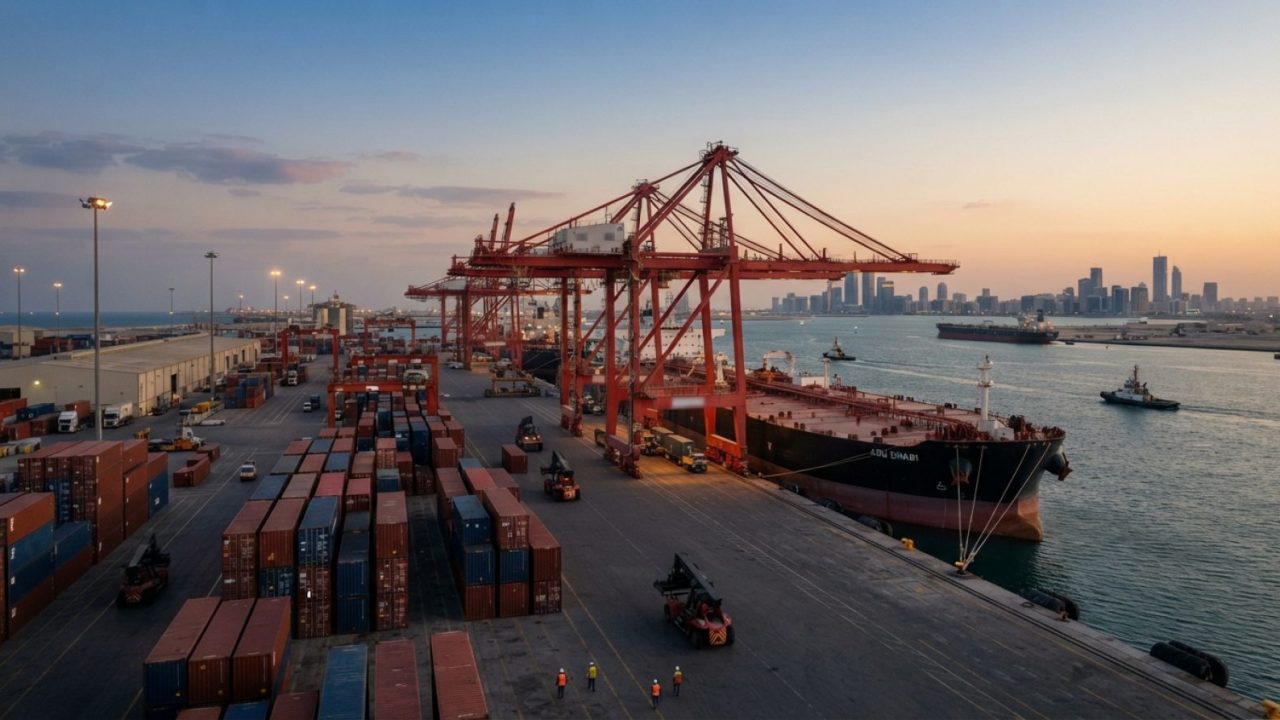
In terms of trade infrastructure, Jeddah Islamic Port handled 42.4% of merchandise imports and led non-oil export volumes with a 24.6% share, followed by Al-Batha Port at 10.6% and Ras Tanura Port at 8.8%.
Sources
- Forbes Middle East · 2026-11-25