- Affected country
- —
- Location / route
- —
- Official source
- —
- Published by source
- —
- Effective period
- Not stated
- Last verified
- — — verification pending
- Status
- Active
Summary of official information. Always check the official source and follow the guidance of the authorities. UECN does not issue risk ratings; the absence of an alert does not mean that a destination is safe.
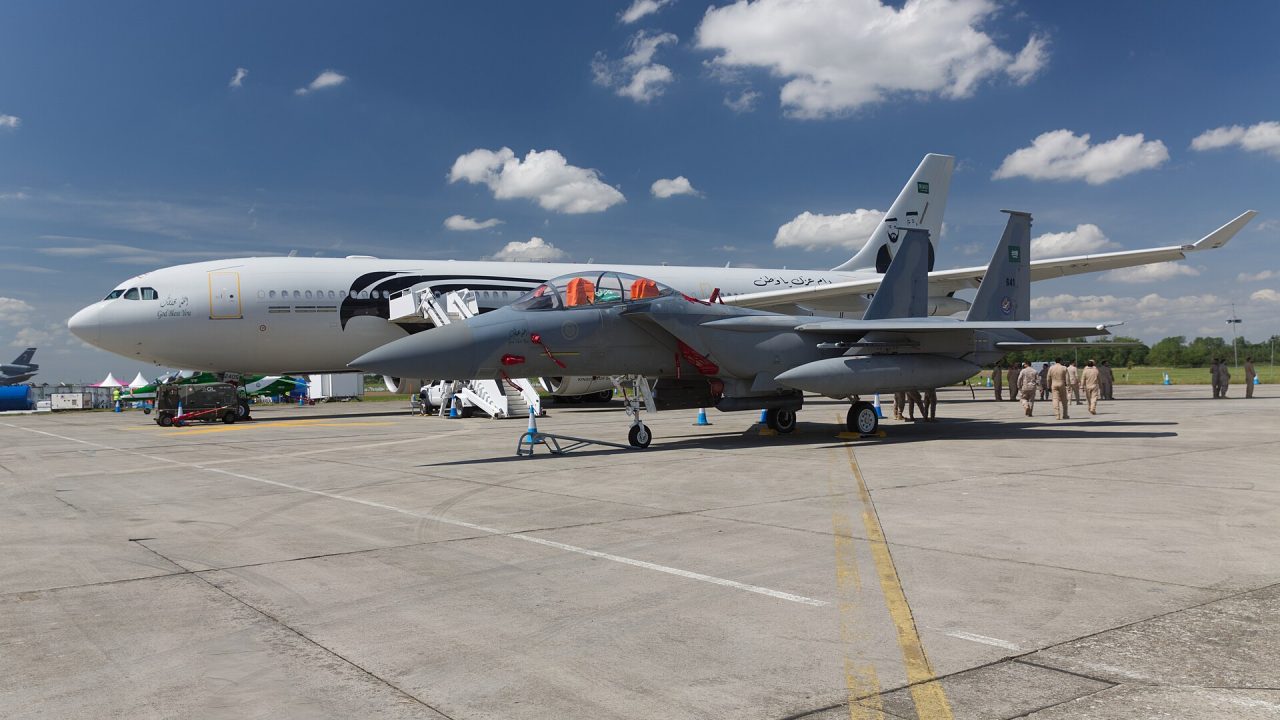
The Saudi-led coalition ordered civilians to evacuate Hodeidah port on November 20, 2026, and struck what it termed military targets, stating it hit operational capabilities used for weapons smuggling, drone production, and ballistic missile manufacturing. Coalition spokesman Turki al-Malki published evacuation routes on X, while Yemen's Information Minister asserted the port remained operational and goods continued to flow.
In response, Houthi military spokesman Yahya Saree declared that Jeddah Islamic Port and all Saudi Red Sea ports had become operational targets, urging commercial shipping companies to evacuate immediately. Saree also stated that Saudi airspace was unsafe and would be an area of operations, while explicitly exempting airspace over the holy cities of Mecca and Medina. The Houthis additionally named the al-Shuqaiq power plant in Jizan province and an unspecified financial centre in Riyadh as potential strike targets.
As of November 20, no confirmed strikes had hit Jeddah or other Saudi commercial ports, and official civil aviation regulators had not declared formal airspace closures. However, the European Union Aviation Safety Agency had previously extended airspace warning bulletins across six Gulf zones through January 31, 2027.
The escalatory statements directly threaten vital maritime supply chains. Jeddah Islamic Port handled a record 582,900 twenty-foot equivalent units (TEUs) in October 2026, absorbing traffic diverted from the Strait of Hormuz, with DP World's Jeddah South Container Terminal reporting record throughput earlier in the year.
Sources
- House of Saud · 2026-11-20