- Issuing authority
- Iran Trade Promotion Organization
- Jurisdiction
- Iran, Pakistan
- Publication date
- November 20, 2026
- Stage
- Draft / consultation
- Official document
- Iran-Pakistan Free Trade Agreement
- Official source
- news.google.com
Speaking at a conference on Iran-Pakistan trade capacities in Bushehr, Seyyed Mehrdad Siyadat-Nasab, deputy director of the East Asia and Subcontinent Office at the Iran Trade Promotion Organization, announced that formal and informal trade between the two nations currently stands at about $6 billion. He stated that bilateral trade has the potential to exceed $10 billion, while estimated total exchange capacity reaches $16 billion.
Negotiations for a bilateral free-trade agreement have concluded and lists of covered commodities have been exchanged, placing the agreement in its final phase. Officials are aiming to implement the first phase before the end of the year. Under the agreement, customs duties on a substantial share of Iranian exports to Pakistan would be reduced to zero, while Iran will grant tariff concessions on selected Pakistani goods.
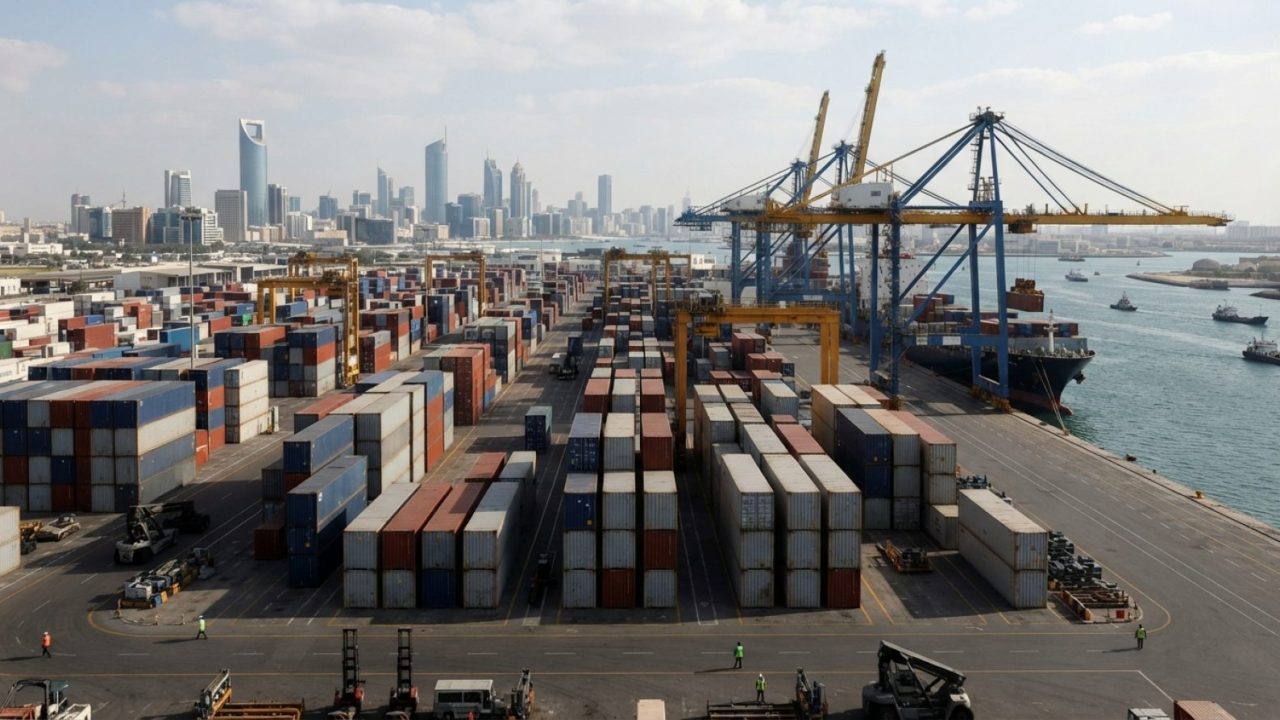
Iranian officials also identified Pakistani maritime facilities as a partial alternative to the transshipment and logistics role historically played by Jebel Ali port in the UAE. Siyadat-Nasab noted that prior to regional conflicts, a portion of Iranian imports from Pakistan moved through the UAE without being documented in direct bilateral trade figures.
Strategically, the trade route connects to broader Asian markets, with Pakistan's Gwadar port located approximately 70 kilometers from the Iranian frontier and the China-Pakistan Economic Corridor (CPEC) providing overland access to China. Pakistan represents a market of roughly 260 million people, importing approximately $65 billion and exporting $35 billion annually.
Existing bilateral trade infrastructure includes a joint chamber of commerce in Zahedan with a Tehran branch, a trade and investment council, and two licensed Iranian commercial centers in Pakistan. Major traded categories include Iranian liquefied gas, petrochemicals, tiles, ceramics, and steel, contrasted with Pakistani agricultural and basic commodities, alongside religious tourism to Iranian destinations including Mashhad and Qom.
Sources
- Financial Tribune · 2026-11-20