Chinese automakers are tightening controls on unauthorized overseas sales channels to exert greater authority over vehicle pricing, brand reputation, and post-sale support, according to a Caixin Global report. The clampdown is pushing independent vehicle traders to pursue licensed dealership agreements to satisfy formal servicing and compliance standards.
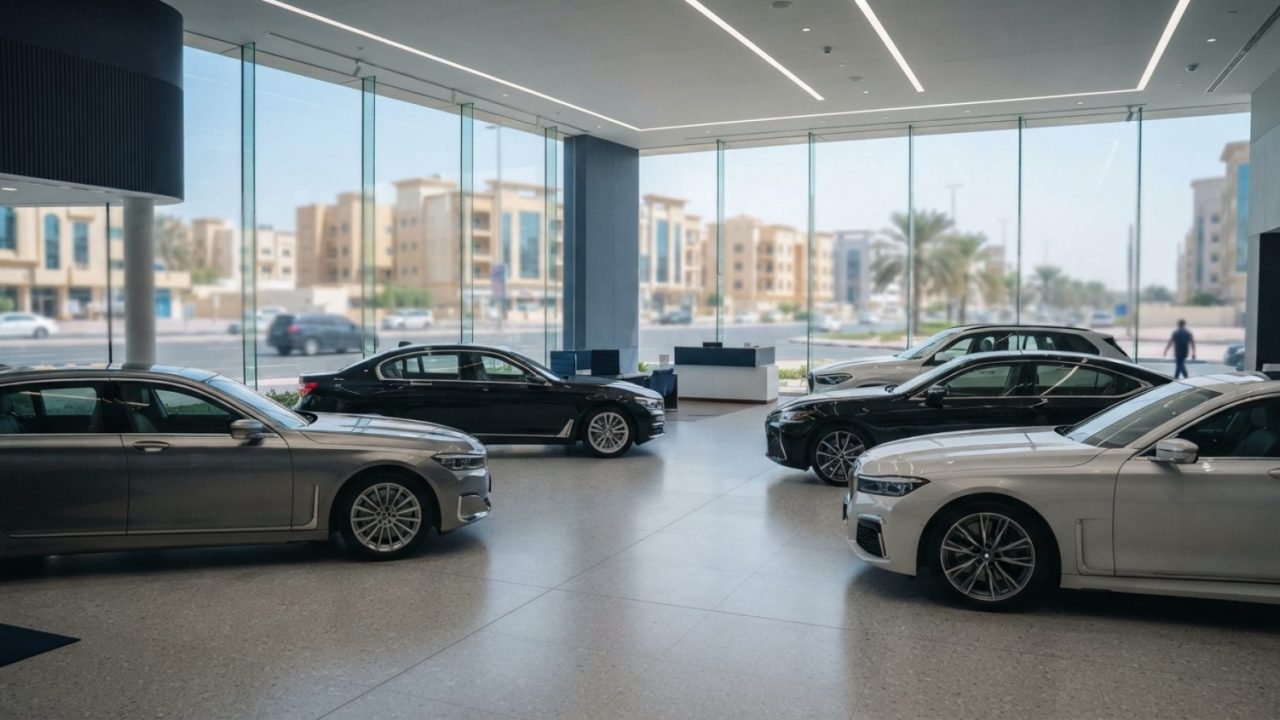
Wang Hao, vice president of dealership business and strategy at Dubai-based Legend Holding Group, told Caixin that the transition toward authorized models has become a widespread trend among traders selling Chinese-made vehicles abroad. Legend Holding Group, a Chinese-backed entity operating an auto brand experience center in Abu Dhabi, initiated its shift from vehicle trading into authorized dealerships and automotive services in 2021, leveraging its proximity to Chinese manufacturing supply chains to seek further official brand partnerships.
Regulatory changes in China are accelerating this industry shift. New export regulations taking effect on January 1, 2026, will require exporters to hold confirmation of after-sales service capabilities from manufacturers, significantly raising operating costs and barriers for unauthorized parallel traders.
Unauthorized overseas distribution has also met legal resistance within local markets. In 2024, the authorized UAE distributor for Chery Automobile Co. Ltd.'s Jetour marque won a $3.4 million legal judgment against unauthorized sellers, setting a precedent against gray-market automotive imports in the Emirates.
Sources
- Caixin Global · 2026-11-20