According to an analysis authored by Kabir Taneja, Executive Director of ORF Middle East, Gulf states increasingly recognize that China will not provide direct military assistance or act as a security guarantor in regional conflicts. The study observes that while regional partners use Beijing as a strategic hedge against Washington, China's core posture remains focused on economic engagement rather than military intervention.
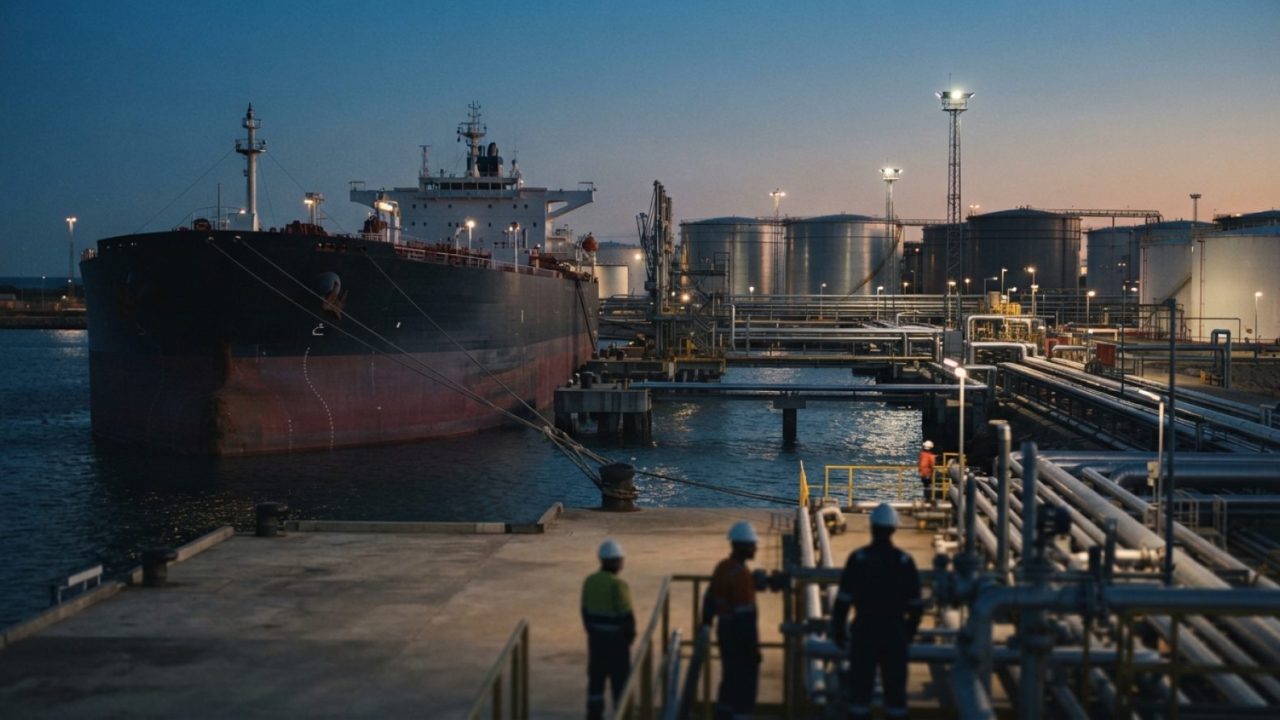
The analysis notes that the Middle East crisis has generated practical economic consequences for Beijing, depleting strategic crude reserves at a time when China's domestic economy faces strain. In previous years, China capitalized on heavily discounted Iranian crude to build the world's largest strategic petroleum reserve network. Citing data from the US Energy Information Administration, the report states that China added an estimated 1.1 million barrels of crude oil per day to its strategic reserves in 2025, lifting total reserves to approximately 1.4 billion barrels.
While Beijing and Tehran concluded a 25-year comprehensive strategic agreement in March 2021 covering energy, investment, and infrastructure, the Iranian political establishment has periodically expressed frustration over Beijing's reluctance to offer unconditional backing. Concurrently, reports indicate China has worked quietly behind the scenes to encourage Tehran toward dialogue with Washington, including supporting intermediary figures such as Iranian Parliament Speaker Mohammad Bagher Ghalibaf to prevent regional escalations.
ORF Middle East concludes that the Middle East remains a vital commercial marketplace for Beijing, where US strategic commitments continue to divert Western focus. In turn, Gulf nations and other regional actors continue to leverage Beijing as an economic alternative without expecting security guarantees.
Sources
- ORF Middle East · 2026-11-19