According to EnterpriseAM, Oman and Turkey are positioning themselves to capture shares of the regional financial centre market as the United Arab Emirates continues to lead front-office financial services. In Saudi Arabia, regional headquarters rules implemented since January 2024 have attracted more than 750 firms chasing state contracts, including Deutsche Bank and BNP Paribas.
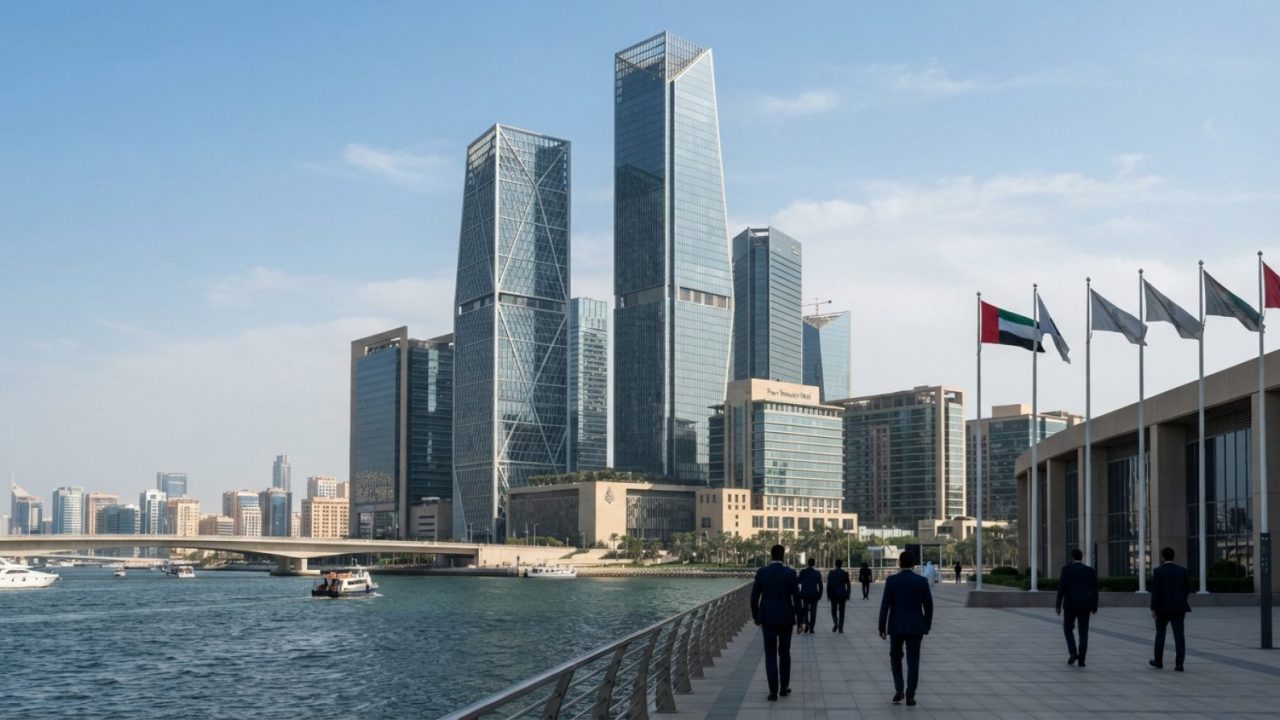
Dubai and Abu Dhabi continue to anchor the region's licensed financial front-office activity, EnterpriseAM reported. The Dubai International Financial Centre (DIFC) surpassed 10,000 active companies in the first half of 2026, a 30% year-on-year increase, including 1,100 regulated financial firms. During the same period, Abu Dhabi Global Market (ADGM) reported a 54% rise in assets under management and a 23% increase in fund managers to 190, drawing entrants such as Man Group and Capital Group. In the September Global Financial Centres Index, Dubai ranked within the top 10 while Abu Dhabi rose eight places to 13th.
Turkey is aiming at middle- and back-office functions—such as regional treasury, shared services, and reporting—via Law No. 7582, which entered into force on 4 June. The law establishes qualified service center status for corporate groups active in at least three countries that generate 80% of revenue from foreign affiliates, offering a 95% corporate tax deduction over 20 tax periods, which rises to 100% for participants in the Istanbul Financial Center, alongside wage tax relief. However, Turkey's 15% domestic top-up tax on groups with revenues above EUR 750 million limits the tax relief for large multinationals, while October annual inflation of 29.8% remains a factor for treasury decisions.
Meanwhile, Oman is creating a common-law enclave designed to compete directly for licensed banks and investment funds, targeting company registrations before year-end and licensing in 2027. EnterpriseAM noted that Oman's 50-year tax holiday also faces limitations due to its 15% top-up tax on multinational enterprises exceeding the EUR 750 million threshold.
Sources
- EnterpriseAM · 2026-11-13