- Affected country
- Syria
- Location / route
- Damascus Flight Information Region (OSTT)
- Official source
- Google News — Middle East travel disruption
- Published by source
- October 26, 2026 7:37 PM CST
- Effective period
- October 23, 2026 12:00 AM CST
- Last verified
- October 26, 2026 10:14 PM CST
- Status
- Active
Official guidance
ICAO has withdrawn its 2013 safety warning on Syrian airspace, shifting assessments to updated international standards. Airlines and civil aviation authorities may re-evaluate overflight and route planning, though individual national regulator restrictions remain independently determined.
Summary of official information. Always check the official source and follow the guidance of the authorities. UECN does not issue risk ratings; the absence of an alert does not mean that a destination is safe.
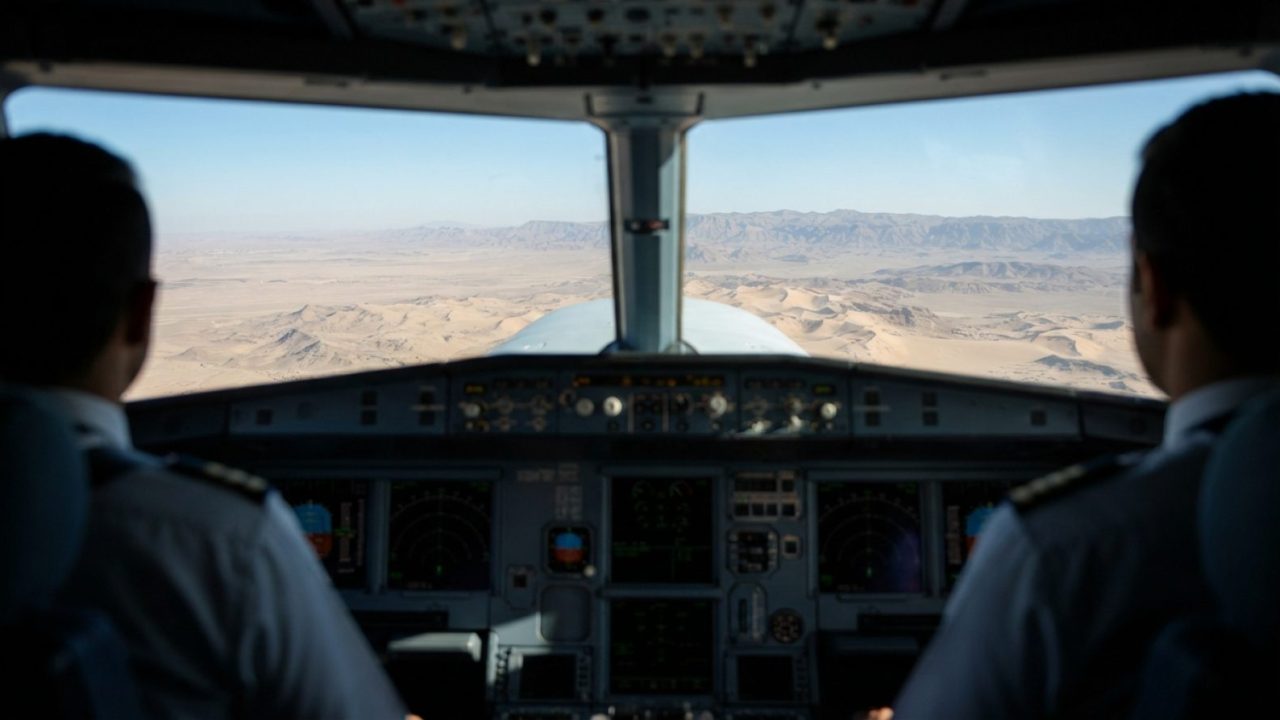
The International Civil Aviation Organization (ICAO) has withdrawn a safety warning concerning Syrian airspace that had been in effect for more than 13 years, Anadolu Agency reported, citing Syrian civil aviation officials. The original warning, issued on March 22, 2013, addressed civilian flight safety within the Damascus Flight Information Region.
Omar al-Hosari, head of Syria's General Authority of Civil Aviation and Air Transport, told the Syrian Arab News Agency (SANA) that ICAO confirmed the 2013 advisory will no longer serve as a baseline for operational decisions. Instead, future assessments will follow updated international aviation safety and security standards.
Al-Hosari described the move as an important step toward reintegrating Syrian airspace into the international civil aviation network. He noted the change allows civil aviation authorities and carriers to review flight paths crossing Syrian airspace as well as flights arriving at and departing from Syrian airports, potentially increasing overflight traffic and encouraging commercial airlines to resume operations.
However, the Syrian authority emphasized that the withdrawal does not automatically lift operational bans or restrictions imposed by individual governments or national regulators. Technical and diplomatic discussions will continue with foreign regulators and ICAO to address remaining restrictions, while agencies such as the European Union Aviation Safety Agency (EASA) maintain their own separate conflict-zone bulletins.
Revision history
- Active Published automatically from the official source
Sources
- Anadolu Ajansı · 2026-10-26